
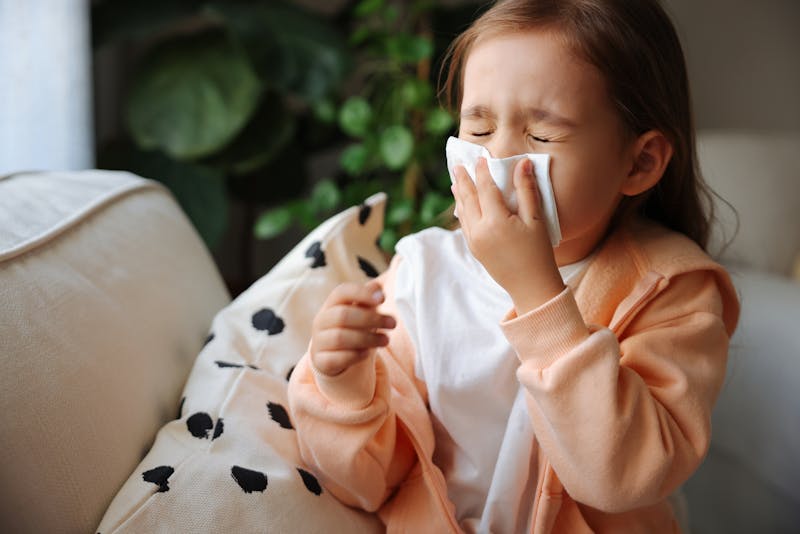
As children head back to school each fall, parents often notice an increase in sneezing, congestion, and itchy eyes. School-year allergies can significantly impact a child's ability to focus, participate in activities, and get adequate rest. Understanding how to identify and manage these allergies is essential for helping your child thrive both academically and physically.
At South Florida ENT Associates, our pediatric allergy specialists provide comprehensive testing and treatment to help children find relief from allergy symptoms and enjoy a healthier school year.
Common School-Year Allergens
Several allergens become more prevalent during the school year.
Primary allergens affecting school-age children:
- Ragweed pollen: Peaks from late summer through fall in South Florida; airborne allergen that can travel for miles.
- Mold spores: Thrive in warm, humid environments; particularly common during Florida's rainy season.
- Dust mites: Microscopic creatures living in bedding, upholstered furniture, and carpets; increased exposure in carpeted classrooms,
- Classroom irritants: Chalk dust, cleaning products, and art supplies.
Indoor allergen sources in schools, include:
- Poor ventilation systems
- Water damage or leaks
- High humidity levels
- Carpeted areas
- Aging buildings with inadequate maintenance
Recognizing Allergy Symptoms in Children
Children may not always articulate their allergy symptoms clearly, so parents and teachers should watch for telltale signs.
Common physical allergy symptoms include:
- Frequent sneezing
- Runny or stuffy nose
- Itchy or watery eyes
- Throat clearing
- Coughing
- Dark circles under the eyes (known as "allergic shiners")
Behavioral changes indicating allergies include:
- Increased irritability
- Difficulty concentrating in class
- Unusual tiredness or fatigue
- Poor sleep quality due to nasal congestion
- Declining academic performance
- Frequent absences due to allergy-related complications
Creating an Allergy Management Plan
The first step in managing your child's allergies is identifying exactly what they're allergic to.
The benefits of professional allergy testing are:
- Pinpoints specific allergens
- Guides treatment decisions
- Allows for targeted avoidance measures
- Available through South Florida ENT Associates' comprehensive testing
Minimize exposure at home by:
- Keep windows closed during high pollen days
- Use air conditioning with HEPA filters to remove allergens
- Wash your child's bedding weekly in hot water
- Use allergen-proof mattress and pillow covers
- Encourage showering and changing clothes after outdoor play
- Remove pollen from skin and hair promptly
Communicate with school staff by:
- Inform your child's teacher about their allergies
- Notify the school nurse of allergy-related health concerns
- Discuss potential classroom accommodations (seating away from windows, avoiding certain art supplies)
- Ensure your child has access to necessary medications during school hours
- Provide emergency contact information
Consider allergy treatment options. South Florida ENT Associates offers several effective treatment options, such as:
- Antihistamines: Provide relief from sneezing, itching, and a runny nose.
- Nasal corticosteroid sprays: Reduce inflammation and congestion.
- Allergy immunotherapy: Allergy shots or allergy drops for persistent or severe allergies; gradually desensitize the immune system; provide long-term relief.
Establish a morning routine. An example would be:
- Check daily pollen counts
- Plan activities based on allergen levels
- Have your child wear glasses instead of contact lenses on high-pollen days
- Administer allergy medications before symptoms begin
- Review the day's schedule for potential allergen exposure
When to See an Allergist
Schedule a consultation with South Florida ENT Associates if:
- Allergy symptoms persist for more than a few weeks
- Symptoms interfere with sleep or daily activities
- Over-the-counter medications aren't effective
- You suspect asthma-related symptoms such as wheezing or shortness of breath
- Your child experiences frequent sinus infections
- Allergies are affecting school attendance or performance
Our pediatric allergy specialists can perform thorough evaluations, provide accurate diagnoses, and create personalized treatment plans that allow your child to focus on learning rather than struggling with uncomfortable allergy symptoms. Don't let allergies hold your child back this school year—schedule a consultation with South Florida ENT Associates today.