
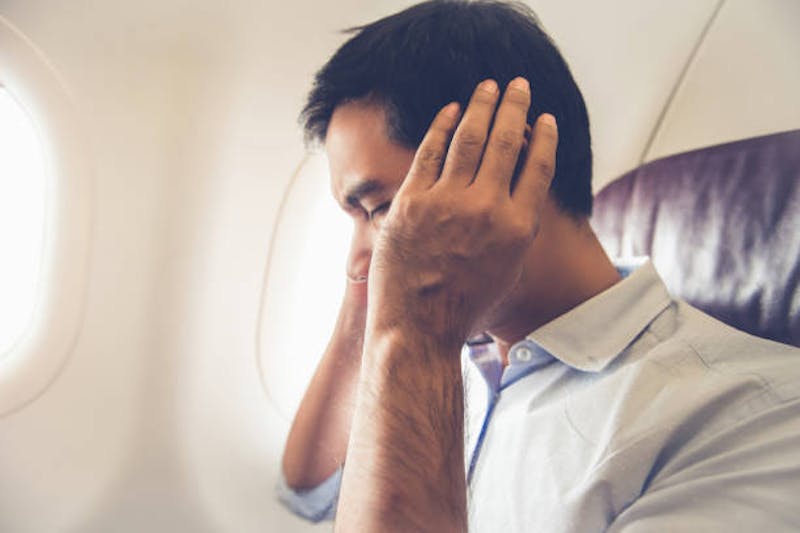
"Plane ear" (barotrauma) and sinus pain occur when rapid altitude changes during flights prevent your Eustachian tubes and sinuses from equalizing pressure properly. These symptoms, including ear popping, muffled hearing, and intense facial pressure, affect millions of travelers annually but are largely preventable.
South Florida ENT Associates helps patients throughout Miami, Fort Lauderdale, and beyond travel comfortably by treating underlying conditions and providing expert pre-flight guidance.
In this blog, we will discuss five proven strategies to prevent ear pressure and sinus pain during your summer travels.
1. Practice Active Pressure Equalization Techniques
Your Eustachian tubes need help keeping pace with rapid cabin pressure changes during takeoff and landing.
Effective equalization methods include:
- Valsalva maneuver: Pinch your nostrils closed, keep your mouth shut, and gently blow against closed airways.
- Toynbee maneuver: Pinch your nose and swallow at the same time.
- Frequent swallowing: Sip water or suck on hard candy throughout ascent and descent.
- Yawning: Opens the Eustachian tubes naturally through muscle activation.
- Start early: Begin techniques before you feel pressure building for the best results.
2. Use Decongestants and Nasal Sprays Appropriately
Reducing nasal and sinus swelling before your flight significantly improves pressure equalization.
Medication strategies include:
- Oral decongestants: Take 30-60 minutes before departure, following FDA guidelines.
- Nasal decongestant sprays: Apply 30 minutes before takeoff and again before landing.
- Saline irrigation: Rinse your sinuses the morning of your flight to clear mucus.
- Avoid overuse: Limit nasal spray decongestants to prevent rebound congestion.
- Medical consultation: Those with high blood pressure should discuss alternatives with South Florida ENT Associates.
3. Maintain Proper Hydration
Airplane cabin conditions and dehydration significantly affect Eustachian tube function, making hydration a critical factor in preventing ear and sinus discomfort during flights. Drinking water consistently throughout your flight is essential because cabin humidity drops to just 10-20%, severely drying out your mucous membranes and impairing their ability to function properly. Avoiding alcohol before and during your flight is equally important, as it causes both dehydration and nasal tissue swelling that can block your Eustachian tubes.
Limiting caffeine consumption also helps, since caffeinated beverages contribute to fluid loss and can leave you more dehydrated than when you started. Bringing a refillable water bottle ensures you have constant access to fluids throughout your entire flight without relying on infrequent beverage service. Additionally, consider using a saline nasal spray during the flight to add moisture directly where it's needed most, keeping your nasal passages from drying out and maintaining optimal conditions for pressure equalization.
4. Try Specialized Ear Protection Products
Products designed specifically for air travel can significantly reduce the risk of barotrauma.
Helpful travel accessories:
- Filtered earplugs: Products like EarPlanes slow the rate of pressure change reaching your eardrum.
- Pressure-regulating devices: Allow gradual equalization during altitude transitions.
- Warm compresses: Applying gentle warmth before landing helps open Eustachian tubes.
- Chewing gum: Promotes swallowing and jaw movement during critical pressure changes.
5. Address Pre-Existing ENT Conditions
Underlying conditions dramatically increase your risk of flight-related ear and sinus problems, making pre-travel evaluation essential for comfortable air travel. Chronic sinusitis is a major concern because inflamed sinuses cannot equalize pressure effectively during altitude changes, often resulting in severe facial pain. Eustachian tube dysfunction presents similar challenges, though South Florida ENT Associates offers treatments to improve tube function and restore proper pressure regulation before you fly.
Nasal polyps block normal sinus drainage and pressure equalization pathways, creating a physical obstruction that no amount of swallowing or yawning can overcome. Untreated allergies cause inflammation throughout your nasal passages and Eustachian tubes, which significantly increases your risk of barotrauma, yet many travelers don't realize their seasonal symptoms could lead to flight-related ear pain.
Recent ear infections also require careful consideration, as flying too soon after an infection may cause serious complications, including eardrum rupture or prolonged hearing issues. Most physicians recommend waiting until the infection has fully resolved before air travel.
Underlying conditions dramatically increase your risk of flight-related ear and sinus problems.
Conditions requiring pre-travel attention:
- Chronic sinusitis: Inflamed sinuses cannot equalize pressure effectively.
- Eustachian tube dysfunction: South Florida ENT Associates offers treatments to improve tube function.
- Nasal polyps: Block normal sinus drainage and pressure equalization pathways.
- Untreated allergies: Cause inflammation that significantly worsens barotrauma risk.
- Recent ear infections: Flying too soon after infection may cause serious complications.
Travel Comfortably with South Florida ENT Associates
Your summer vacation shouldn't include ear and sinus suffering. The board-certified ENT specialists at South Florida ENT Associates evaluate Eustachian tube function, treat underlying sinus conditions, and provide personalized pre-travel recommendations.
Whether you need allergy management, chronic sinusitis treatment, or specific guidance for your travel plans, our experienced team across Miami, Boca Raton, West Palm Beach, and Fort Lauderdale ensures you're prepared for pain-free flights. Schedule your consultation with South Florida ENT Associates today and enjoy comfortable travel all summer.