
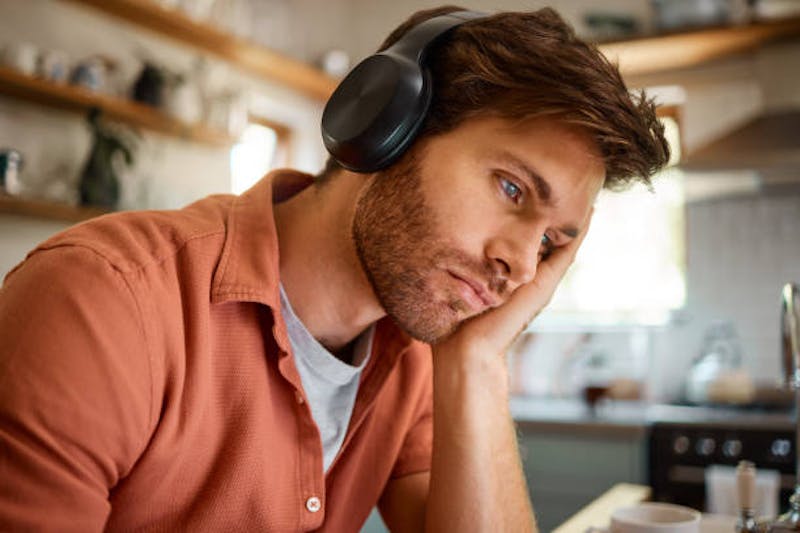
Increased screen time and headphone use are driving rising rates of tinnitus, especially among younger adults who spend hours daily connected to digital devices. The combination of prolonged audio exposure, high volumes, and constant auditory stimulation damages inner ear structures and triggers persistent ringing or buzzing. South Florida ENT Associates' audiology team is treating more digital-age tinnitus cases than ever across our South Florida locations.
In this blog, we will discuss how digital habits fuel tinnitus, the concept of "digital fatigue" for your ears, and practical strategies to protect your hearing.
Understanding Digital-Age Tinnitus
Tinnitus, the perception of sound without an external source, now affects approximately 15% of Americans, with CDC data showing increasing prevalence in younger demographics.
Contributing digital factors:
- Extended headphone sessions: Hours of continuous audio exposure strain auditory structures.
- Unsafe listening volumes: Many users exceed the recommended 85-decibel safety threshold.
- Earbud proximity: In-ear devices deliver sound directly to the eardrum without ambient buffering.
- Cumulative damage: Daily exposure accumulates, causing permanent inner ear changes over time.
What Is "Digital Fatigue" for Your Ears?
Just as your eyes experience digital strain, your auditory system suffers from constant stimulation.
Signs of auditory digital fatigue:
- Increased tinnitus awareness: Ringing or buzzing becomes more noticeable after device use.
- Ear fullness: A sensation of pressure after extended headphone listening.
- Sound sensitivity: Everyday sounds seem louder or more irritating than usual.
- Listening fatigue: Difficulty focusing on conversations after prolonged audio exposure.
- Need for higher volumes: Gradually increasing device volume to hear comfortably.
How Screen Time Affects Your Auditory Health
Digital devices affect your ears beyond volume alone, creating multiple stressors that impact hearing health in unexpected ways. Constant audio stimulation from background sounds, including videos, notifications, and music, prevents your auditory system from getting the rest it needs to recover and function optimally. Screen exposure also increases cortisol levels in your body, and this stress hormone connection can intensify tinnitus perception, making ringing or buzzing sounds seem louder and more intrusive.
Sleep disruption compounds these issues, as blue light exposure from screens impairs sleep quality, and the resulting fatigue has been shown to significantly worsen tinnitus symptoms. Even your posture while using devices matters, since the neck and jaw tension that develops from hunching over phones, tablets, and computers directly affects the auditory pathway, potentially contributing to or exacerbating ear-related symptoms, including tinnitus and sound sensitivity.
Protecting Your Ears in a Connected World
South Florida ENT Associates recommends practical strategies to reduce digital-related ear strain.
Smart listening habits:
- Follow the 60/60 rule: Keep volume at 60% maximum for no more than 60 minutes continuously.
- Choose over-ear headphones: They provide better sound quality at lower volumes than earbuds.
- Take regular breaks: Rest your ears for 10-15 minutes after every hour of headphone use.
- Create quiet time: Schedule device-free periods to allow complete auditory rest.
- Use noise-canceling wisely: Reduce background noise so you can listen at lower volumes.
Expert Tinnitus Management at South Florida ENT Associates
Digital-era tinnitus demands modern treatment approaches from experienced ENT doctors. The audiology team at South Florida ENT Associates provides comprehensive tinnitus evaluations using advanced diagnostic technology to identify contributing factors and develop personalized management strategies.
From sound therapy and hearing aids to lifestyle modifications, our experts help patients throughout Miami, Boca Raton, and South Florida find meaningful relief. Schedule your consultation with South Florida ENT Associates today.